
How one hectare of farmland captures CO₂ from the air — and who pays for it
At Dealin.Green, growers capture tons of CO₂ on their land with Paulownia and Miscanthus — in the Netherlands, Croatia, Spain and (soon) more countries. We translate this storage into transparent carbon credits: additional income for the grower or landowner, real climate action for the buyer.
What is a carbon credit exactly?
A carbon credit is proof that somewhere in the world one ton of CO₂ has been captured from the air and stored in the crop. Companies buy these credits to offset or reduce their own hard-to-avoid emissions.
The only question is: how do you know that ton is really gone? That depends on who measures it, who verifies it, and how long the CO₂ stays locked away. That is the difference between a good and a questionable credit — and that is exactly where Dealin.Green's work lies.
How it works at Dealin.Green — in three steps
We only earn when the grower earns. This principle extends all the way to the credits.
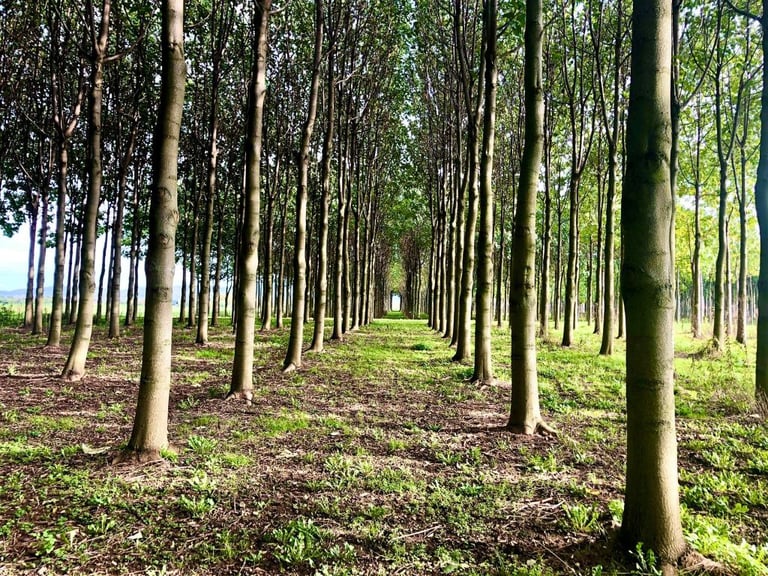
Grower plants
Paulownia or Miscanthus on farmland. Both crops remove large amounts of CO₂ from the air. Paulownia stores carbon in the wood, Miscanthus binds it in the fibers.
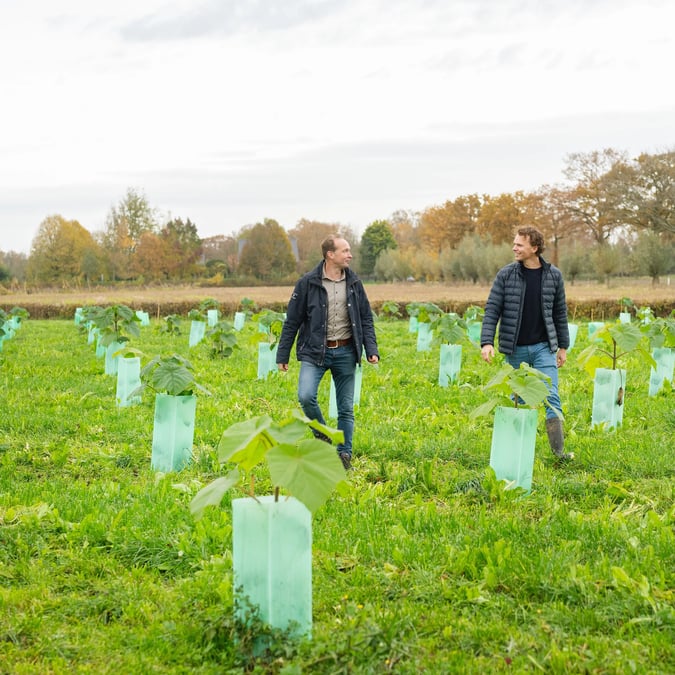
Grower records data
Planting, plot data, growth and harvest — the grower or landowner registers it directly in our Dealin.Green Insights app. That keeps it close to the source and transparent.
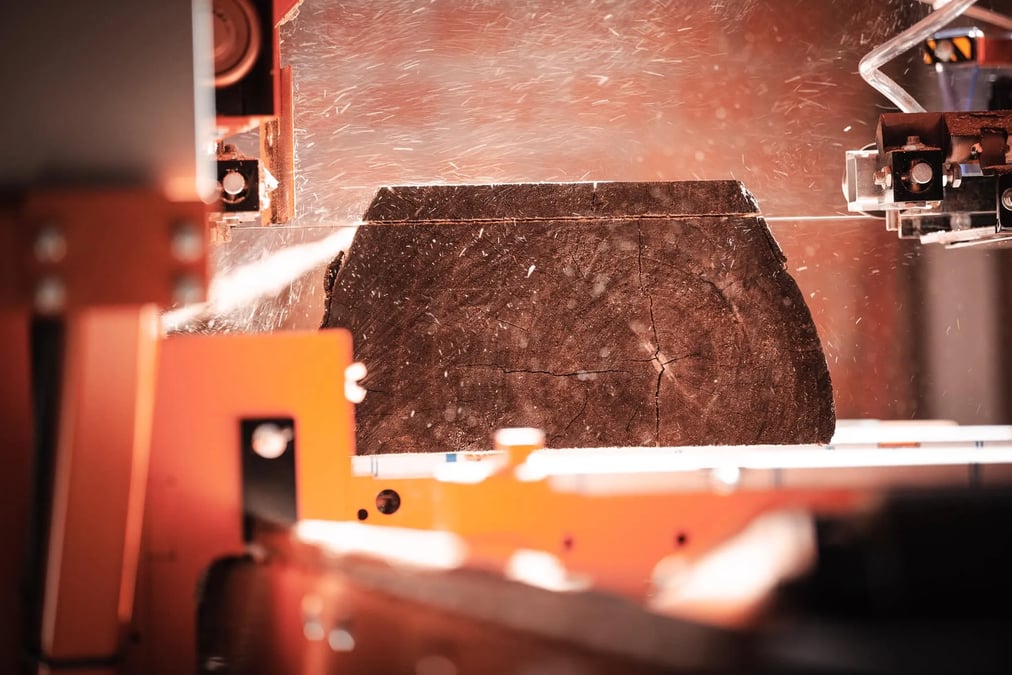
Independent verification
The capture is verified and registered according to a recognized standard. Only then does a tradable credit arise.
Only credits for what has already grown
We only issue a carbon credit after the actual growth on the plot has been measured. No “pre-credits” or “futures” where we sell expected growth from the coming years now.
For the grower: good cultivation translates directly into yield — no fixed promise in advance, but what you have actually captured.
For the buyer: you pay for storage that already exists. Proven, measured and verified — not the promise that it will come someday.
It is an important difference from many other providers, and the basis of why our credits are credible.
For growers and landowners: extra yield from your hectare
Those who grow Paulownia or Miscanthus do not only harvest fibers or timber. You capture CO₂ on your plot for years — and that is value.
- Miscanthus: ± 30 carbon credits per hectare per year (from year 3)
- Paulownia: ± 36 carbon credits per hectare per year (averaged over the term)
A Paulownia planting runs for 25-30 years. A Miscanthus planting up to 20 years. That means: a stable second income stream alongside crop sales.
Do you already have an existing Paulownia or Miscanthus plantation? You can get in touch too. We assess whether your plot qualifies for onboarding into our carbon credit projects.
For credit buyers: why Dealin.Green
Not all credits are equal. Those who want to make a credible contribution look at origin, verification and time horizon. Our credits stand out on four points:
European origin, visible projects. You know where your credit comes from. Not a project on another continent, but plots in the Netherlands, Croatia and Spain — open to visit, with a grower you can talk to.
Two proven crops, long-term storage. The carbon is in wood and fibers that we convert into biobased building material — with a minimum storage duration of 40 years.
Transparent measurement and registration. How many hectares, which crop, which grower, when verified — everything is recorded and traceable.
Part of a chain that works. Our credits arise on plots that also supply fibers and timber for construction. Your investment helps the climate and the transition to biobased construction.
Carbon credits in practice
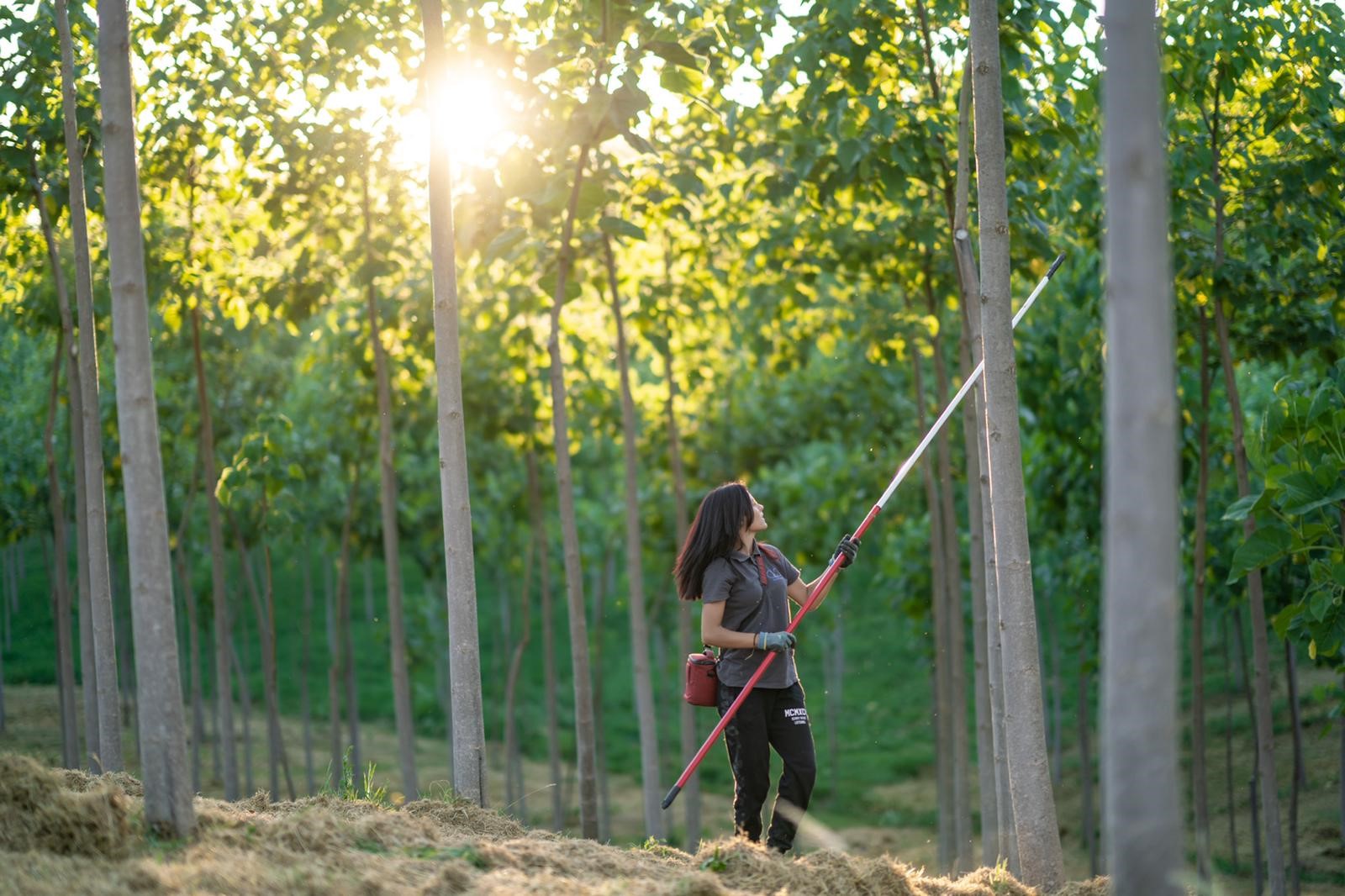
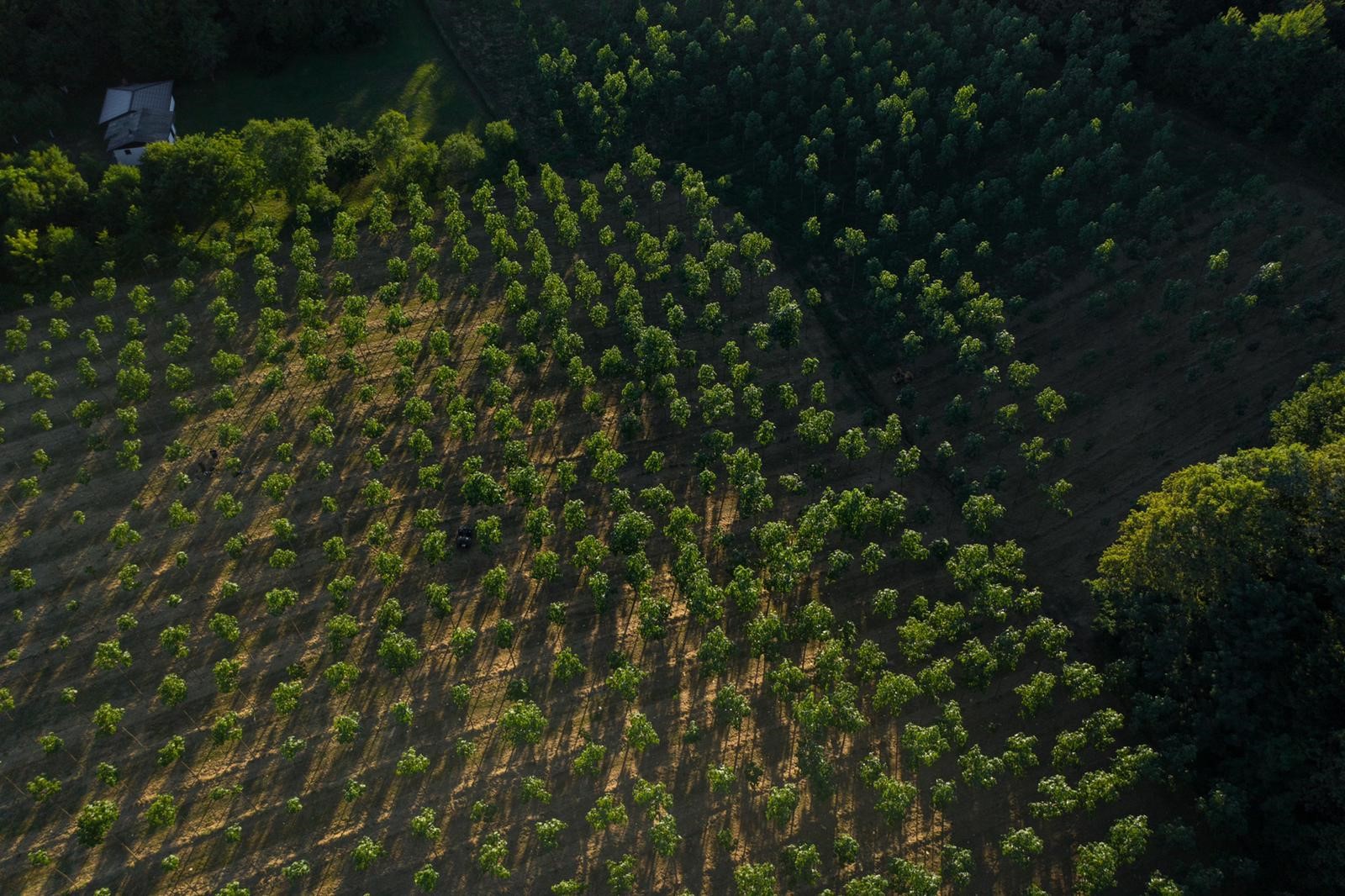
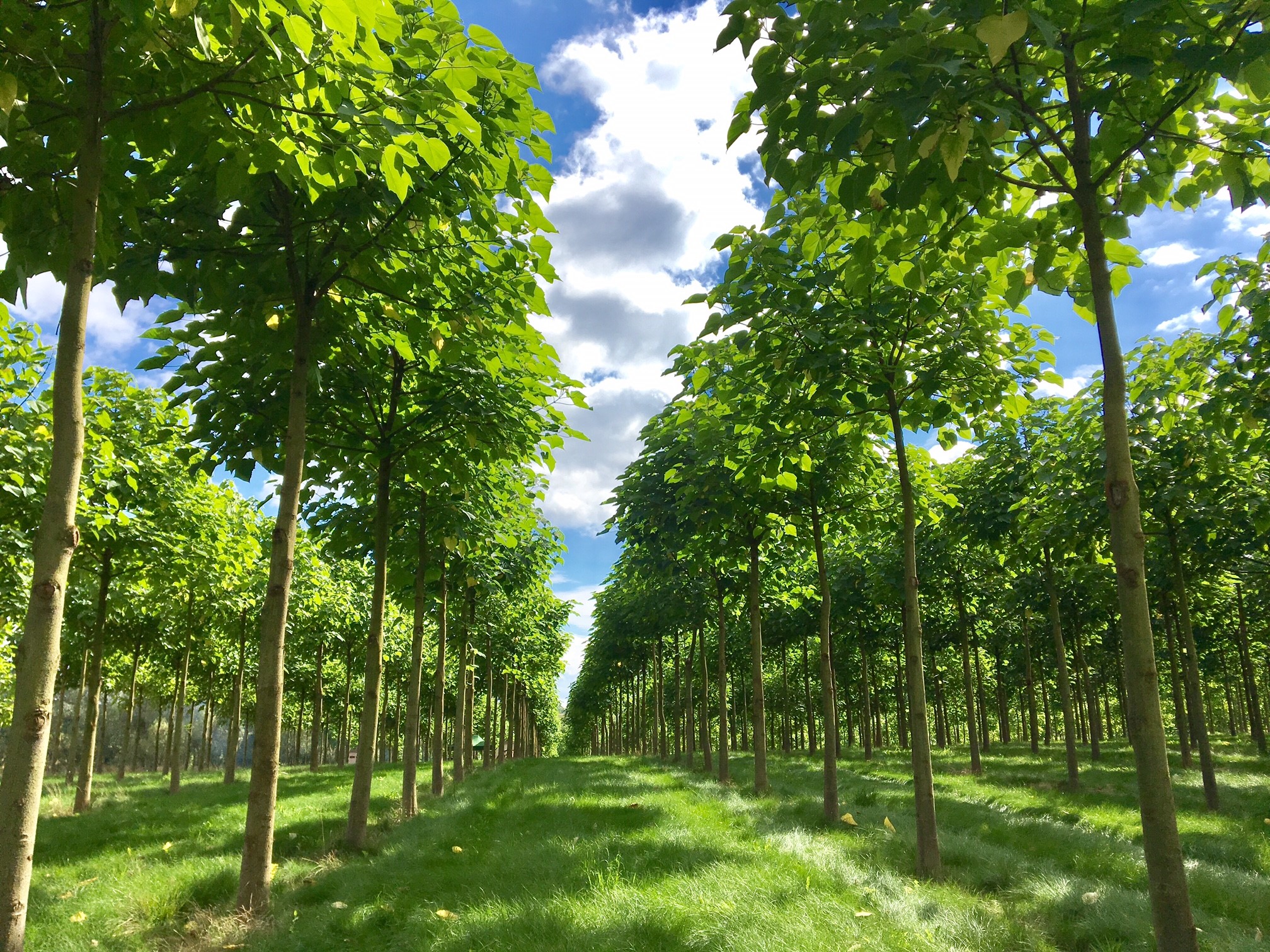
How do we measure carbon credits?
See how we measure and register CO₂ capture per tree. These measurements form the basis for the certification of our carbon credits.
Frequently Asked Questions
Ready to get started?
For growers: curious what your hectare can yield in credits? For companies: we are happy to think along about volume, term and how to make the contribution visible.
Download our brochures
Want to know more about carbon credits and our crops? Download our brochures.